What Is the Mobile‑Esports Surge?
Mobile gaming has crossed the 2.5 billion‑player threshold in 2023, a number that dwarfs the 400 million active PC esports audience. The shift isn’t just about numbers; it’s about how players stream, compete, and monetize on phones. The term “mobile esports” now refers to organized tournaments, live broadcasts, and sponsorship deals centered on titles that run on Android and iOS.
Live Streams Are the New Arena
Where once the arena was a stadium or a LAN hall, today the arena is a screen. Twitch viewership for mobile titles hit 3.4 million concurrent viewers in Q3 2024, up 12 % from the same period last year. That spike coincides with the launch of Mobile Legends: Bang Bang’s “World Championship 2024,” which drew 1.2 million viewers in a single match.
Streaming platforms have adjusted to the shorter attention spans of mobile audiences. Clips of 30‑second highlight reels now generate more engagement than a full 90‑minute match. Streamers use in‑app overlays that display real‑time stats, allowing viewers to follow a player’s kill‑death ratio or gold per minute without pausing the game.
One concrete benefit for players is the “micro‑subscription” model that Twitch introduced in 2023. A streamer can earn $0.05 per viewer per minute, a rate that translates to $150 per hour for a channel with 3,000 concurrent viewers. That’s a tangible income stream that was unheard of in the early days of mobile gaming.
Why Mobile Games Are Easier to Broadcast
Mobile titles typically run at 60 fps on mid‑range phones, making them smoother to stream than some PC games that require high‑end GPUs. The lower bandwidth requirement—around 3 Mbps for a 1080p stream—means viewers in regions with 4G coverage can watch without buffering. In contrast, a 4K PC stream can demand 25 Mbps, which is still a barrier for many.
Another factor is the “touch‑and‑play” interface. Viewers can see the player’s hands, the on‑screen controls, and the in‑app UI all at once. This transparency turns the gameplay into a spectator sport, as fans can spot strategy changes instantly.
However, the low barrier to entry is a double‑edged sword. Anyone with a smartphone can stream a game, which dilutes the quality of content. Professional mobile esports teams now invest in dedicated production crews to ensure that their broadcasts rival those of traditional esports.
Economic Impact on the Gaming Ecosystem
In 2023, the mobile esports market generated an estimated $1.2 billion in revenue, a 25 % increase over 2022. This figure includes prize pools, advertising, and sponsorships. Brands like Samsung and Red Bull have signed multi‑year deals with top mobile esports teams, paying up to $500,000 per season for naming rights.
For developers, the incentive is clear: a game that performs well on mobile can attract a streaming audience that pays for in‑app purchases. Call of Duty: Mobile reported a 15 % increase in micro‑transactions during its World Championship, driven by viewers buying cosmetic skins for the winning team.
Yet, not all titles thrive. Games that require complex controls or high‑resolution graphics struggle to maintain viewer interest. Developers must balance gameplay depth with accessibility to keep both players and audiences engaged.
Cross‑Platform Synergy and Future Trends
Some mobile esports tournaments now offer cross‑platform qualifiers, allowing PC players to compete against mobile players. This hybrid format has been tested in the PUBG Mobile vs. PUBG PC Invitational 2024, where the mobile team won 2‑1 in a best‑of‑three series. The result sparked debate over skill parity, but it also expanded the audience base.
Artificial intelligence is poised to change live streaming further. In 2025, Twitch announced an AI commentary feature that can auto‑generate play‑by‑play for mobile games, reducing the need for human commentators and cutting production costs by 30 %. While this technology could democratize streaming, it may also reduce the personal touch that fans value.
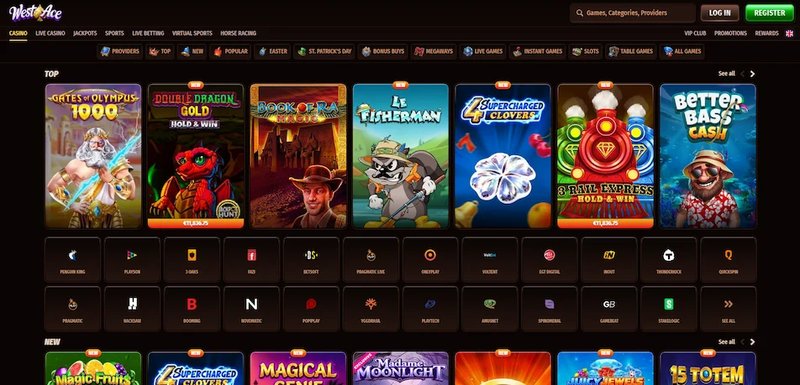
Players can also explore the Westace Online Casino for a different kind of gaming excitement.

Bridging Mobile Esports to Broader Online Entertainment
As mobile streaming grows, it naturally intersects with other online entertainment sectors. For example, a popular mobile streamer might host a live stream that includes a quick gaming segment followed by a casino review. In that context, a visit to the Westace Online Casino can offer a seamless transition from competitive play to casual betting, illustrating how diverse online platforms are converging.
What This Means for You
If you’re a casual gamer, the rise of mobile esports means you can watch high‑level play without leaving your couch. If you’re a streamer, consider the bandwidth and overlay tools that can make your mobile content stand out. And if you’re a developer, remember that mobile’s low entry cost can be both an advantage and a challenge—quality production and clear monetization strategies are now essential.
Looking Ahead
Mobile esports is still in its adolescence. The next few years will likely see more sophisticated streaming tech, tighter integration with social media, and a clearer definition of what constitutes a “professional” mobile player. For now, the trend is unmistakable: mobile games are rewriting the rules of esports, one stream at a time.
Frequently Asked Questions
What defines mobile esports?
It refers to organized tournaments, live broadcasts, and sponsorships for games that run on Android and iOS.
How many players are in mobile esports?
Over 2.5 billion players worldwide in 2023, dwarfing the 400 million active PC esports audience.
What platforms host mobile esports streams?
Major streaming services like Twitch, YouTube Gaming, and dedicated mobile apps feature live mobile esports broadcasts.